

Naledi Mwima

ABOUT ME
ABOUT ME
STORY BY Naledi Mwima
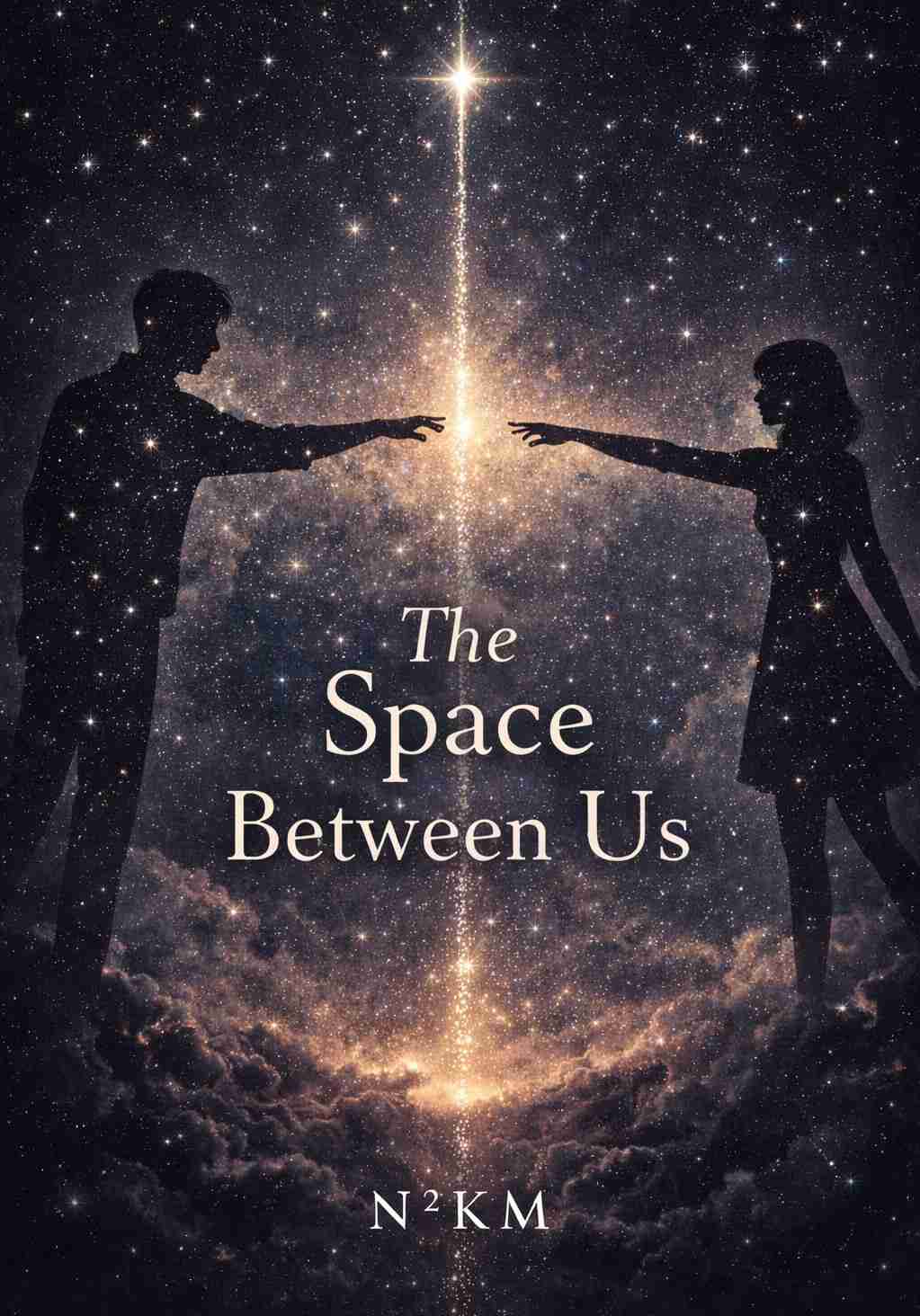
The Space Between Us
 Reads
Reads
Two worlds. One university. It was a first meeting that sparked more than just a bad impression. Kaliyah and Josiah are destined to cross paths, but the distance between them—social, emotional, and unspoken—makes every connection a careful risk. The Space Between Us is a story of quiet tension, tender discoveries, and the moments when the stars seem to align.
Updated at
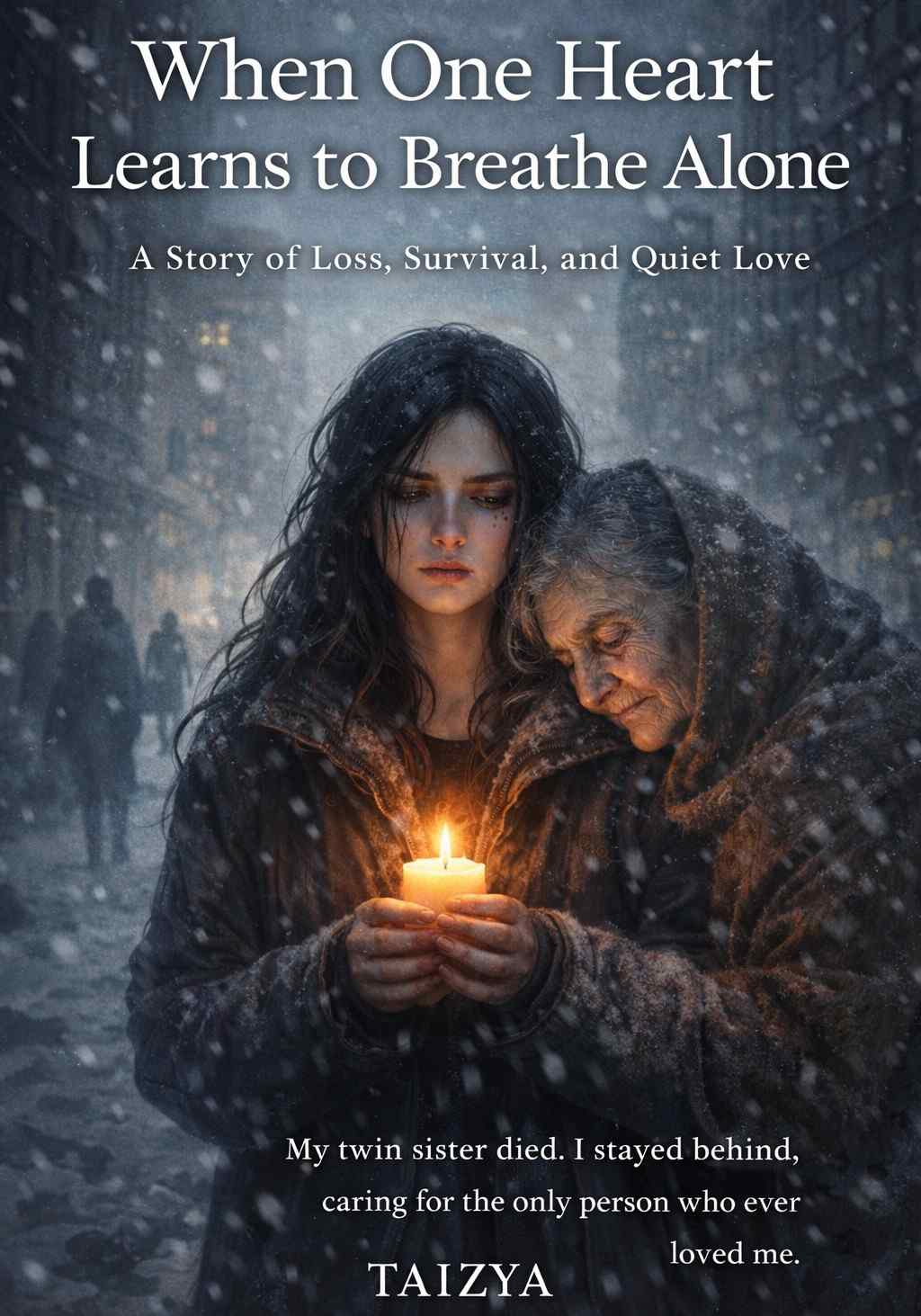
When One Heart Learns to Breathe Alone
Reads
Introduction:Some lives begin with abundance; others begin with survival. This story belongs to the latter.Taizya and Tinashe were born twins, bound by blood yet shaped by sharply different paths. Their mother, Kutemwa, was absent long before she physically left. Irresponsible and consumed by her own survival, she abandoned her daughters in the care of her aging mother, Manda, without ever disclosing the identity of their father. What followed was not rescue, but endurance.Manda sustained the household through informal trade, selling cooked food at the local market to provide shelter and basic care. While an external organization later intervened to sponsor the twins’ education, the burden of upbringing remained firmly on her shoulders. Poverty was not dramatic—it was constant. It shaped routines, limited choices, and quietly dictated the future.The twins responded differently to this environment. Tinashe, the elder by minutes, was outgoing, intelligent, and socially adaptable, yet dangerously naïve. Her desire to escape hardship made her vulnerable to influence, validation, and ultimately substance abuse. Over time, she constructed a lifestyle that appeared glamorous from a distance but was sustained by deception, addiction, and emotional neglect.Taizya, by contrast, grew inward. Often perceived as an outcast, she was obedient, introverted, and prematurely mature. Her emotional loyalty centered almost entirely on her grandmother, the only consistent source of care she had ever known. While Tinashe sought visibility, Taizya sought stability.The collapse came quietly, then all at once.Tinashe’s drug abuse escalated until she lost control over her sense of self. Her carefully maintained image unraveled, exposing the reality of her life to peers and the wider community. Unable to reconcile exposure, shame, and dependency, she ended her life. The aftermath was unforgiving. Taizya became the target of ridicule, blame, and humiliation—punished socially for a tragedy she neither caused nor escaped.Shortly after the incident, Manda fell into a coma, leaving Taizya entirely alone. Grief, responsibility, and isolation converged at an age when survival should not require such discipline.This narrative examines loss without romanticism, addiction without spectacle, and resilience without exaggeration. It is not a story about heroism, but about persistence—about what it means to continue living when the people you relied on are gone, and when love becomes both the burden and the reason to endure.
Updated at